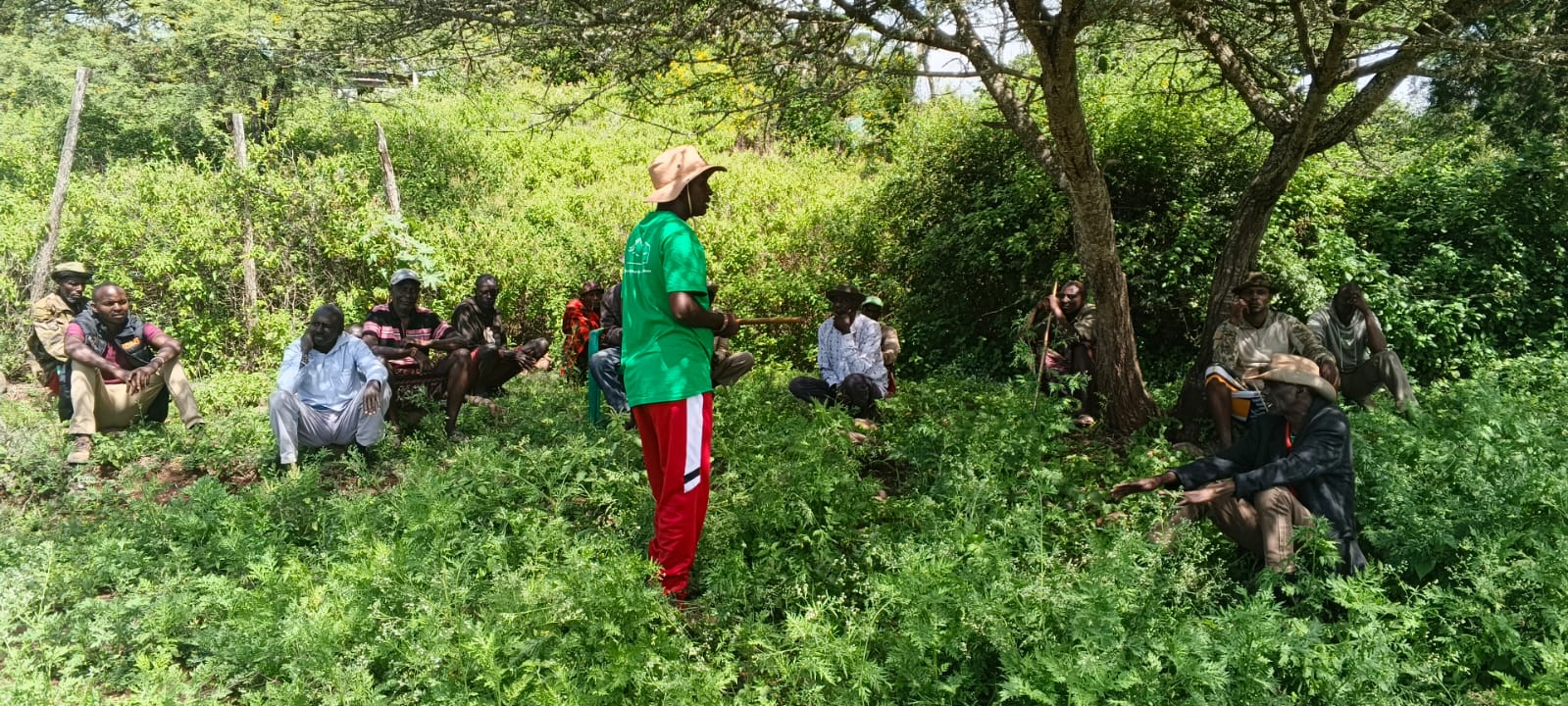
Indigenous highland trees grow slowly. Planting one is an act of confidence in a community's continuity, and a logistical exercise most restoration projects underestimate.
There is a reason so many tree-planting campaigns choose fast-growing exotics. They germinate reliably, grow visibly within a single reporting cycle, and photograph well. On Mount Kulal we mostly do not plant them, and the reason is water.
Slow trees, honest water
An Eucalyptus will outgrow a Juniperus procera many times over in the first five years, and will draw far more groundwater doing it. On a mountain whose entire value proposition is water yield, planting thirsty fast growers to hit a seedling count would be self-defeating.
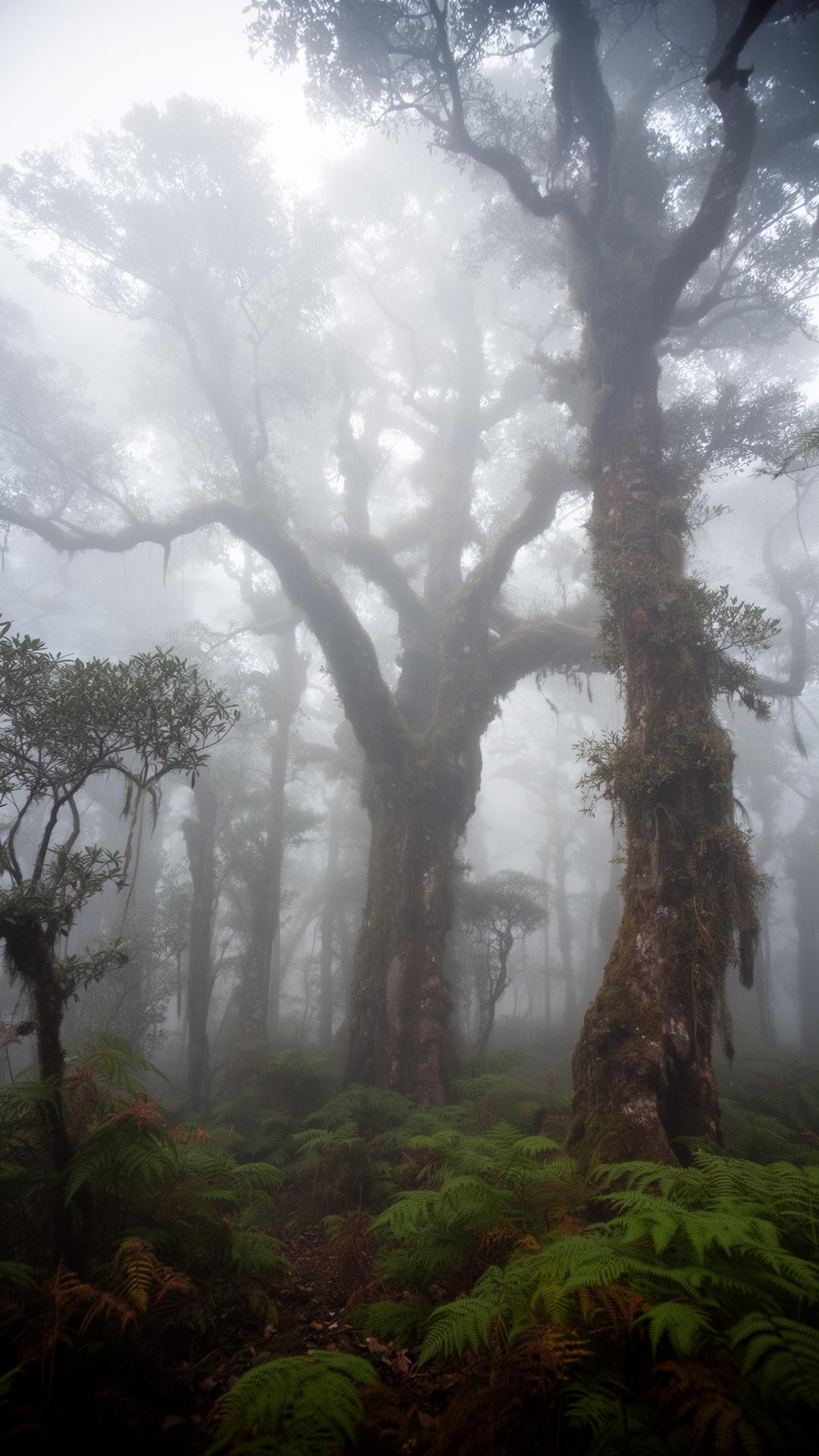
So our nurseries work with what belongs here: African pencil cedar, wild olive, podocarpus, croton, and a range of understorey species collected as seed from identified mother trees within the reserve. These species germinate unevenly, need shade and patience in the nursery, and take years to reach canopy. They also happen to be the species the mist belt is made of.
What a nursery actually involves
Running a community nursery is less romantic than it sounds:
- Seed collection from mapped mother trees, timed to fruiting, which varies by species and by year.
- Pre-treatment: many highland species need soaking, scarification or specific temperature handling before they will germinate at all.
- Germination beds under shade netting, watered consistently through the dry months.
- Potting on into tubes with the right soil mix, which for volcanic highland soils means getting drainage right or losing the batch to rot.
- Hardening off: gradually exposing seedlings to sun and wind so they survive transplant shock.
- Transplant timing: putting seedlings into the ground at the start of a reliable wet window, not when a visiting delegation happens to be available.
- Aftercare: the step almost everyone skips, and the step that determines survival rate.
Survival rate is the only honest metric
Seedlings planted is a vanity number. Any organisation can raise it. Seedlings alive after three years is the figure that reflects whether restoration actually happened.
In the mist belt, our survival rates exceed seventy percent, which is high for dryland restoration and is largely a function of two things: planting the right species in the right microsite, and having local scouts responsible for aftercare in the seasons afterwards. On the drier lower margins, survival drops substantially, and we say so.
Who owns the trees
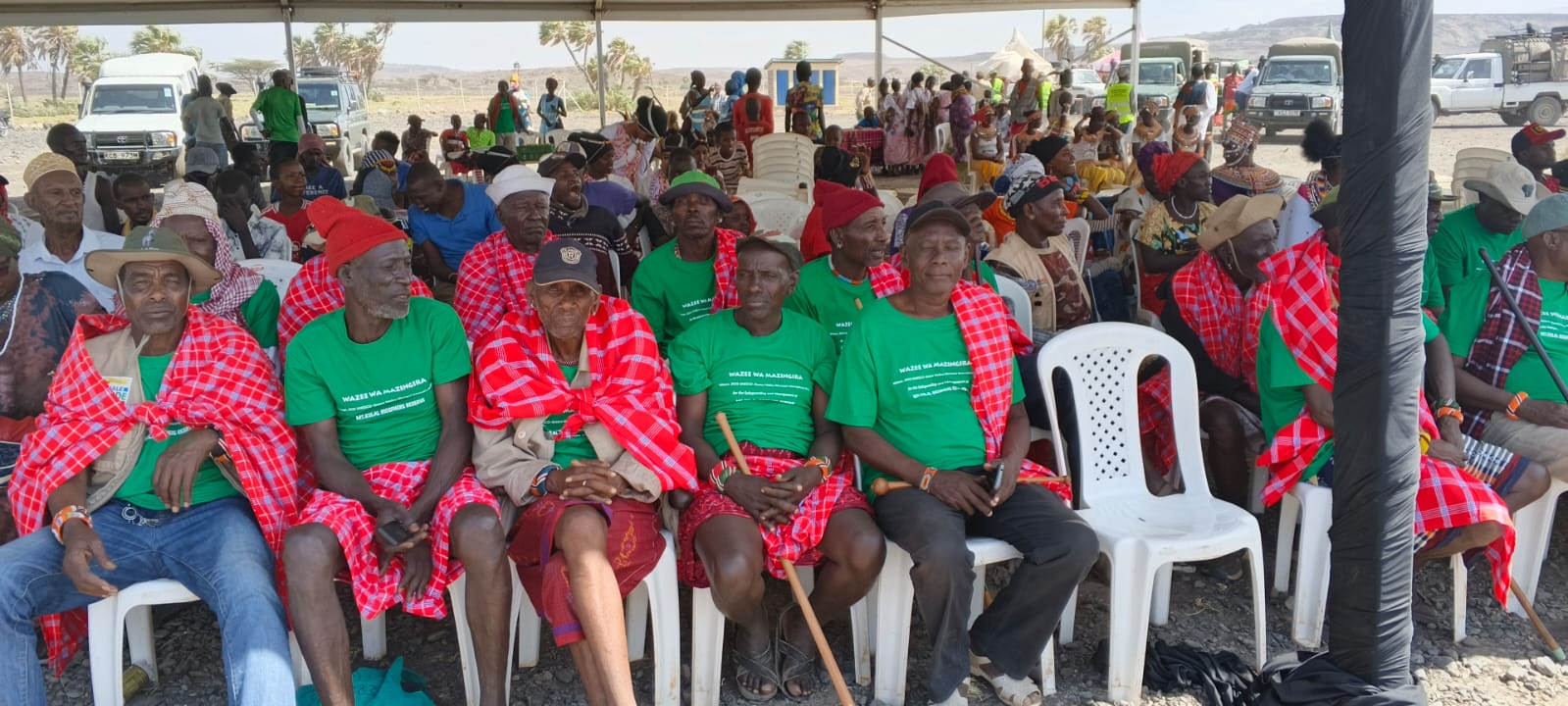
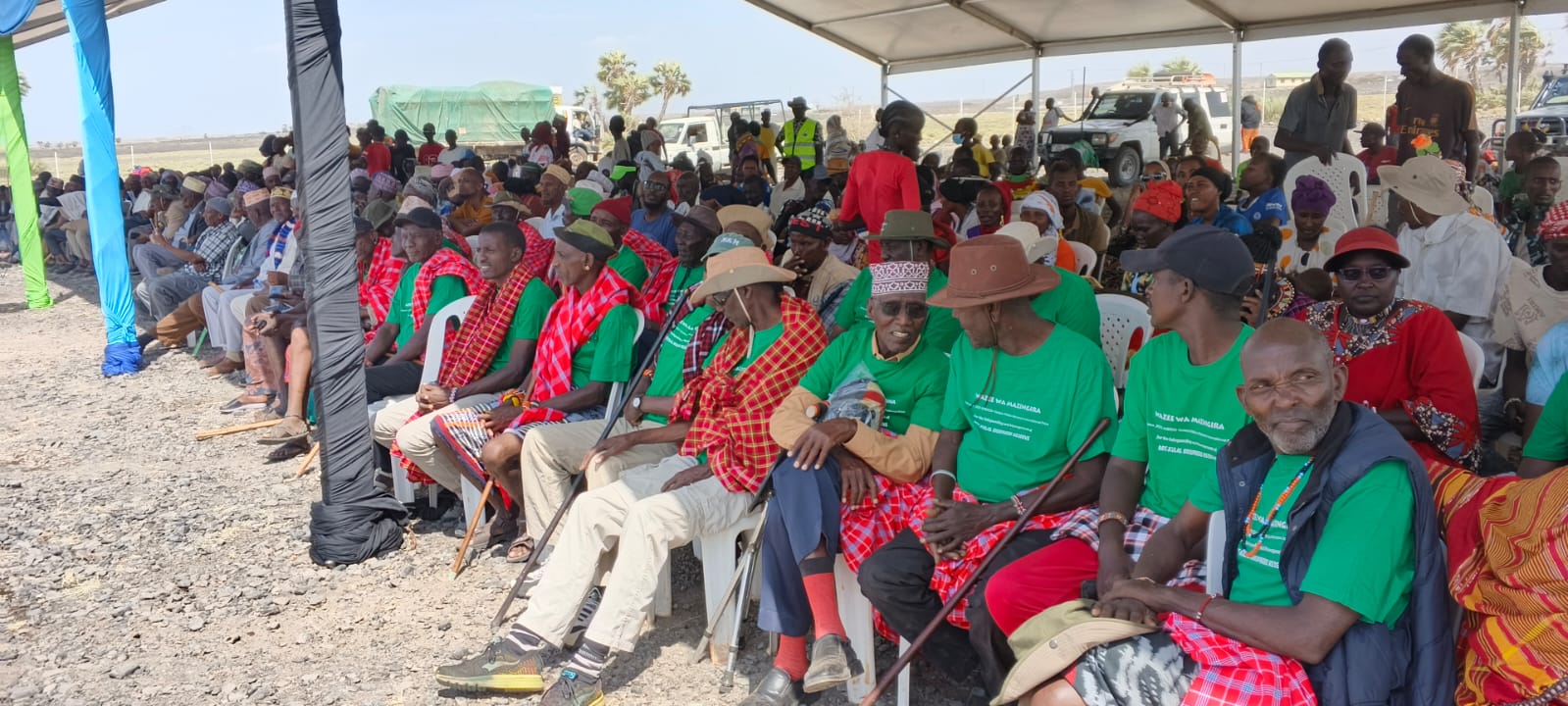
Each nursery is managed by a community group, and the seedlings belong to the villages that raise them. Some go into reserve restoration; others go to households for woodlots, shade, fruit and fodder. That distribution is deliberate. A restoration programme that only puts trees in a protected area, and none in the hands of the people living beside it, is a programme that will need guards forever.
The best protection a tree can have is a household that wanted it there.
The long arithmetic
A cedar planted this season will not function as a mist-harvesting canopy tree within the working life of the person who planted it. That is the point. The elders who started this work in 1971 planted trees they knew they would not sit under.
Fifty-four years later, some of those trees are catching water for people who never met them.