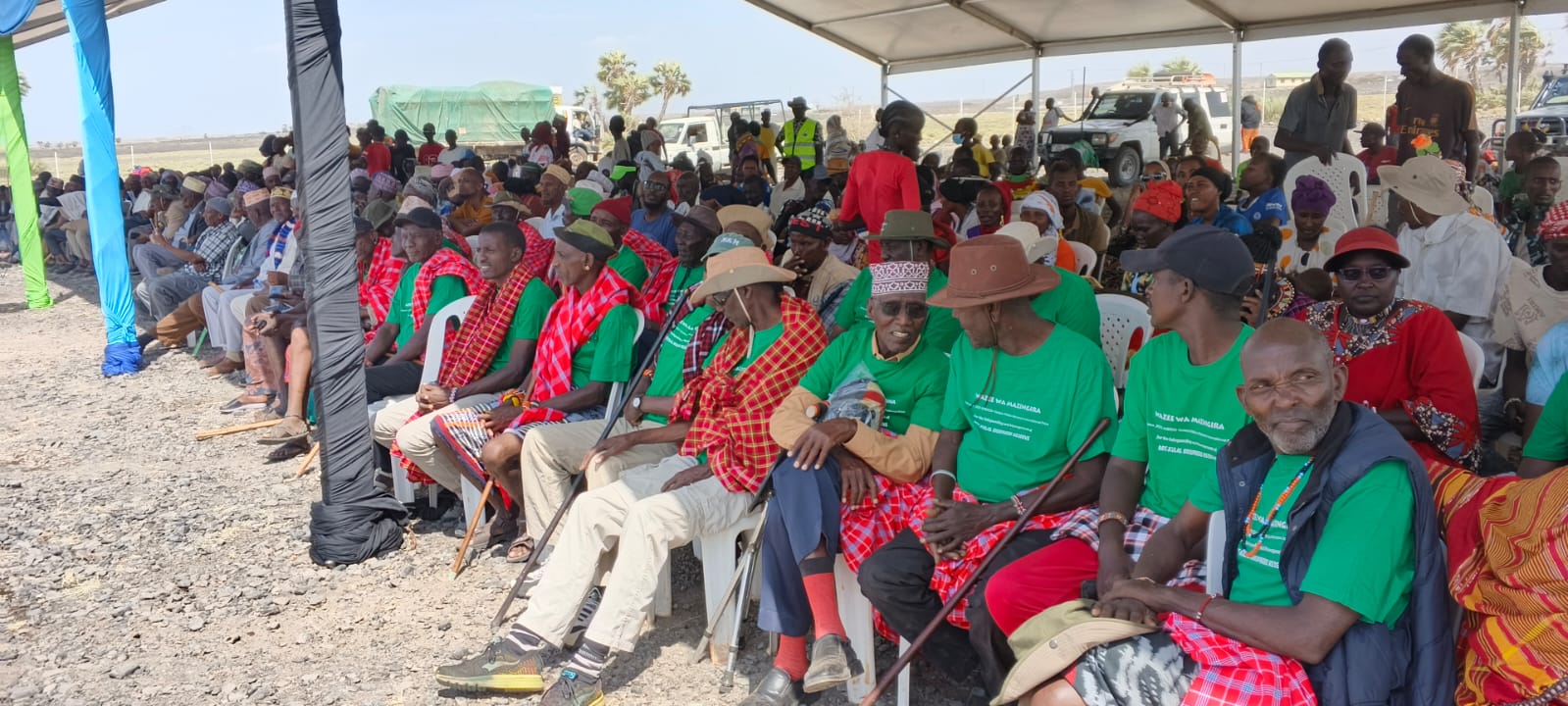
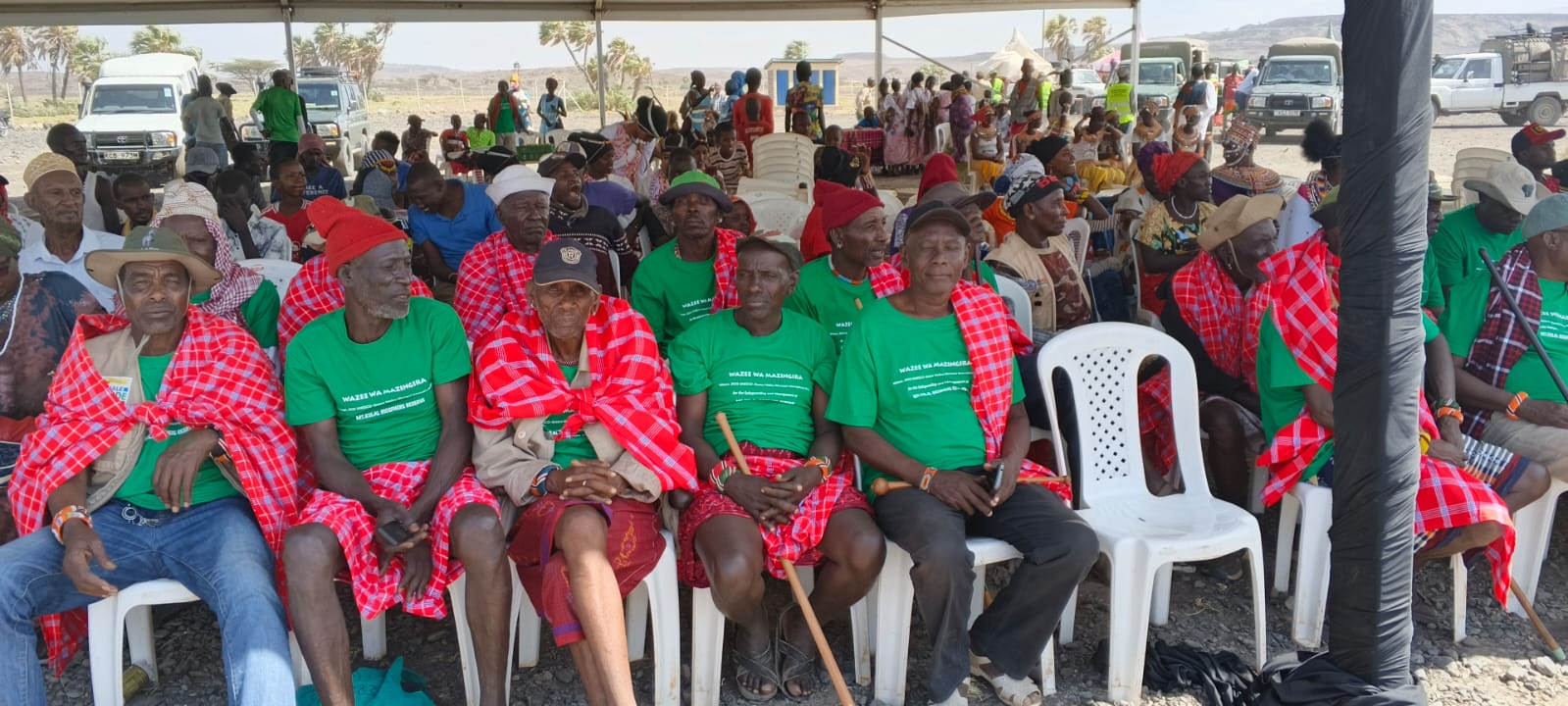
Wazee wa Mazingira means 'Elders of the Environment'. It started as an unpaid agreement between neighbours and became an internationally recognised conservation institution.
There is no founding document. There is no launch photograph. What exists instead is a memory, repeated consistently by people who were young at the time: a series of conversations, held under trees, about springs that were arriving late.
The problem the elders named
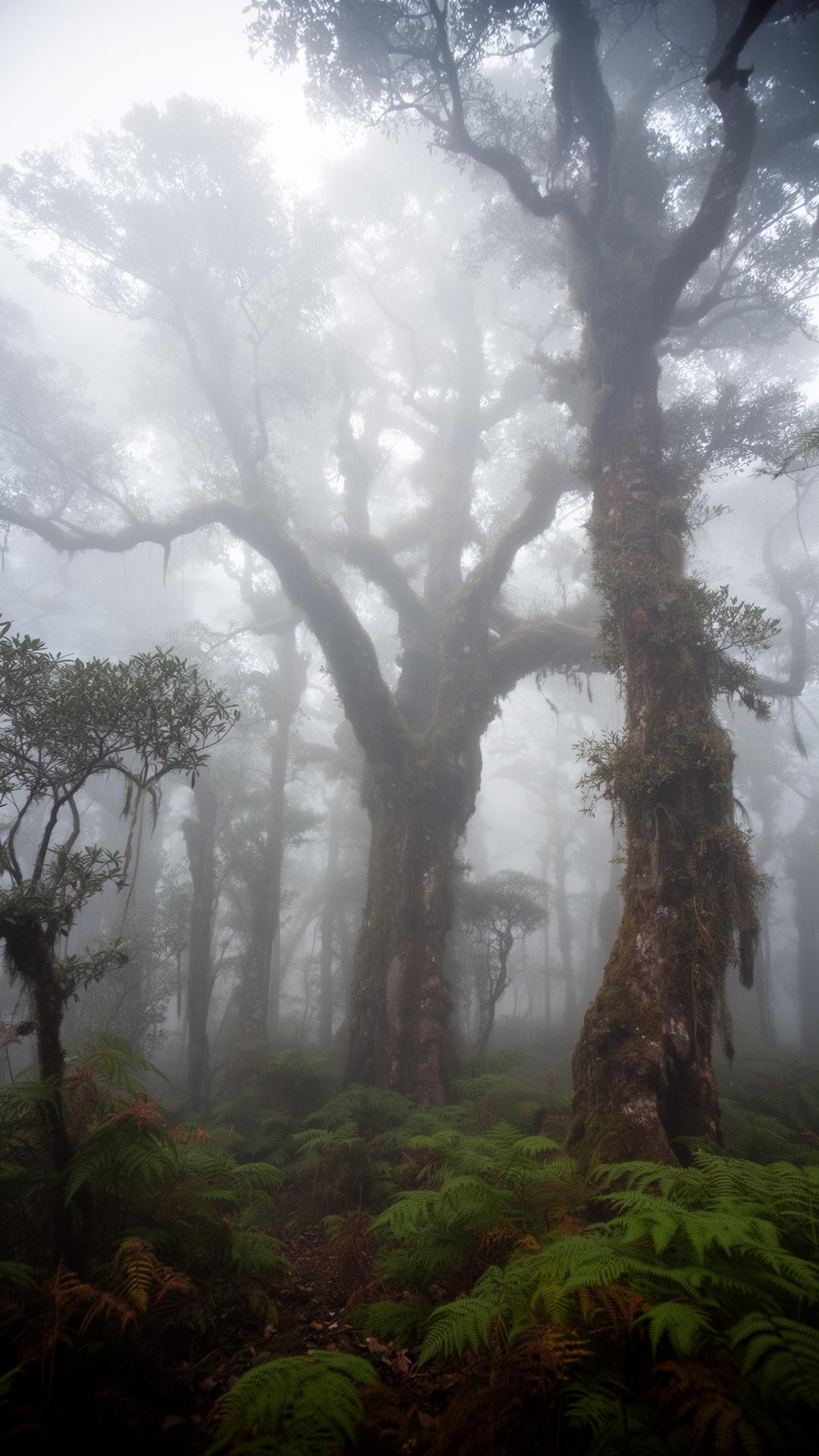
By the late 1960s the pattern was clear to anyone who moved livestock seasonally. Water points that had been reliable within living memory were becoming unreliable. The obvious explanations, poor rains and more animals, were true but incomplete. The elders who would become Wazee wa Mazingira added a third: the forest above the springs was thinning.
That observation required no scientific instrument. It required a lifetime of walking the same paths and the cultural habit of comparing what you see now with what your grandparents described.
Authority without office
The movement's first tool was legitimacy. In pastoralist governance, elders hold the authority to set grazing seasons, arbitrate access to water, and impose social consequences on those who ignore agreements. Wazee wa Mazingira did not invent a new institution; it pointed an existing one at a new problem.
The early rules were simple and enforceable by reputation rather than by police:
- No cutting of the large canopy species anywhere in the mist belt.
- No settlement expansion above an agreed contour.
- No charcoal production inside the reserve, for any buyer, at any price.
- Seasonal rest for the highland pastures, announced publicly and observed collectively.
Compliance was not perfect. It never is. But it was high enough, for long enough, that the forest above the springs survived a period in which comparable highland forests across the region were cleared.
Recognition, eight years later
In 1979, Mount Kulal was designated a UNESCO Biosphere Reserve under the Man and the Biosphere programme. From the outside, this looked like an international body conferring status on a place. From the inside, it looked like confirmation of an argument the elders had been making for a decade: that this landscape was exceptional, and that its exceptional character was inseparable from the people living in it.
Biosphere reserves are explicitly designed around that idea: a protected core, a buffer of managed use, and a transition zone of settlement and livelihood. It is one of the few international conservation frameworks that starts by assuming people belong in the landscape.
"We were not given a mandate in 1979. We were given a name for what we were already doing."
What changed, and what did not
Over five decades the movement acquired the apparatus of an organisation: a registered community-based organisation, an office, bank accounts, project reporting, nursery infrastructure, a youth programme with formal training modules, and eventually international recognition through the UNESCO-Greece Melina Mercouri International Prize.
What did not change is where decisions are made. Every project on Kulal still begins in a village meeting, and every plan still has to survive questioning by people who will personally live with the outcome. Outside funding is welcome. Outside direction, historically, has been the thing most likely to fail here.
The succession problem
The founding generation is passing. This is the single largest risk the movement carries, larger than drought and larger than funding. Ecological memory is not written down. The knowledge of which slope regenerates after fire, which spring responds to which rainfall pattern, which tree indicates groundwater, exists in the heads of people in their seventies and eighties.
Our youth programme exists for exactly this reason. It is often described as employment or skills training, and it is both. But its central purpose is transmission: pairing young scouts with elders on the same ridge, on the same walk, until the observations transfer.
Fifty years in, that is the work that matters most.