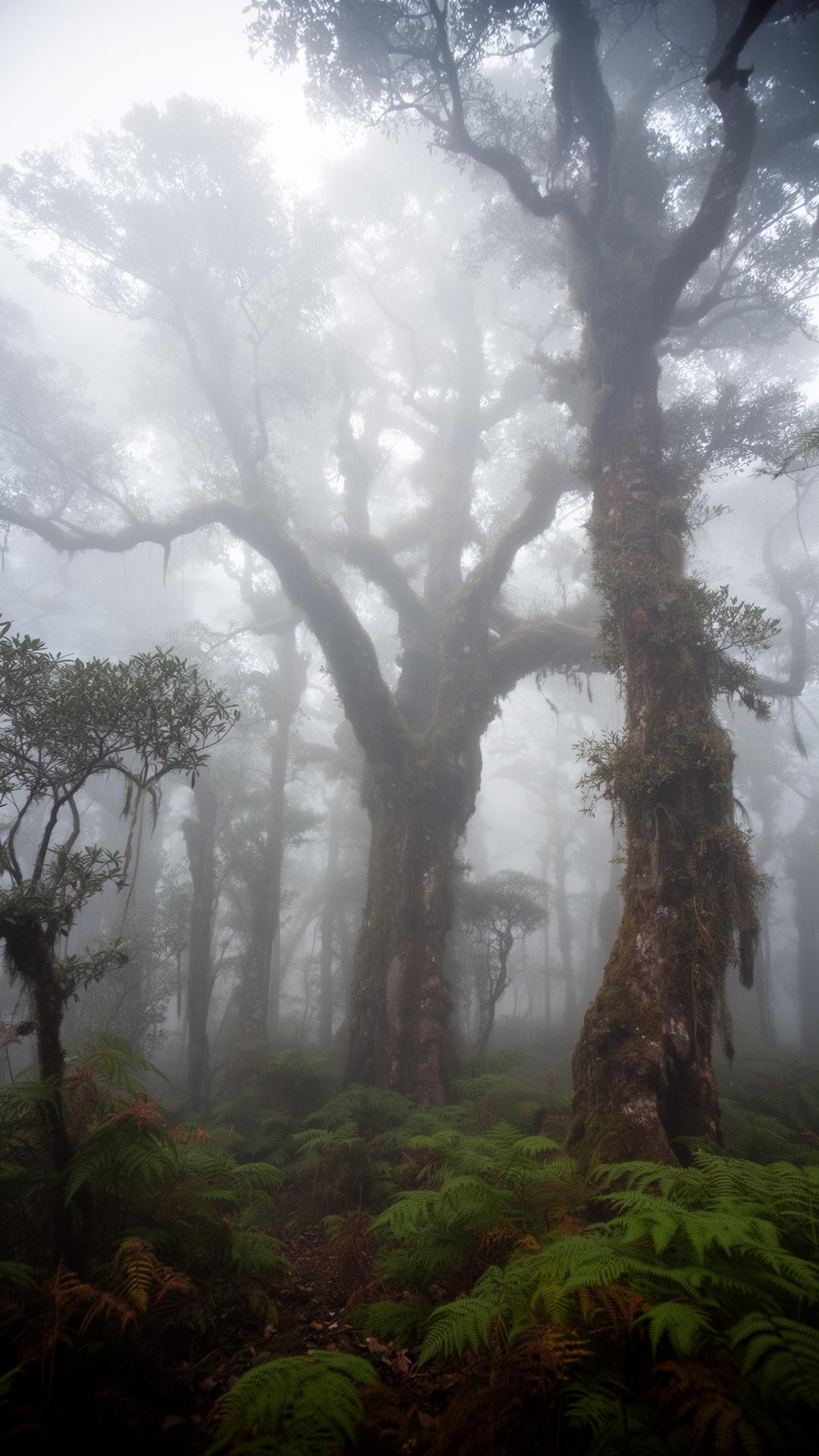
Isolated by desert on all sides, Kulal's highland forest has been evolving on its own terms for a very long time. The result is a species list found nowhere else.
Biologists use the phrase sky island for a highland ecosystem separated from others by inhospitable lowland. The metaphor is exact on Kulal. The forest sits at altitude, surrounded on every side by arid plains that most montane species cannot cross. What lives up there has, in evolutionary terms, been marooned.
What isolation produces
Isolation produces endemism. Populations cut off from their relatives drift, adapt and eventually diverge. Kulal's most famous example is the White-eye that carries the mountain's name, a bird whose entire global range is measured in a handful of square kilometres of this forest. It is a species that exists because this canopy exists, and would not survive the canopy's loss.
The plant list runs past seven hundred documented species, with the mist belt supporting juniper, wild olive and podocarpus stands alongside an understorey of ferns, orchids and mosses more typical of far wetter regions of Kenya. Over one hundred and eighty bird species have been recorded across the reserve, mixing highland forest specialists with dryland and migratory species using the mountain as a refuge.
Wildlife under pressure
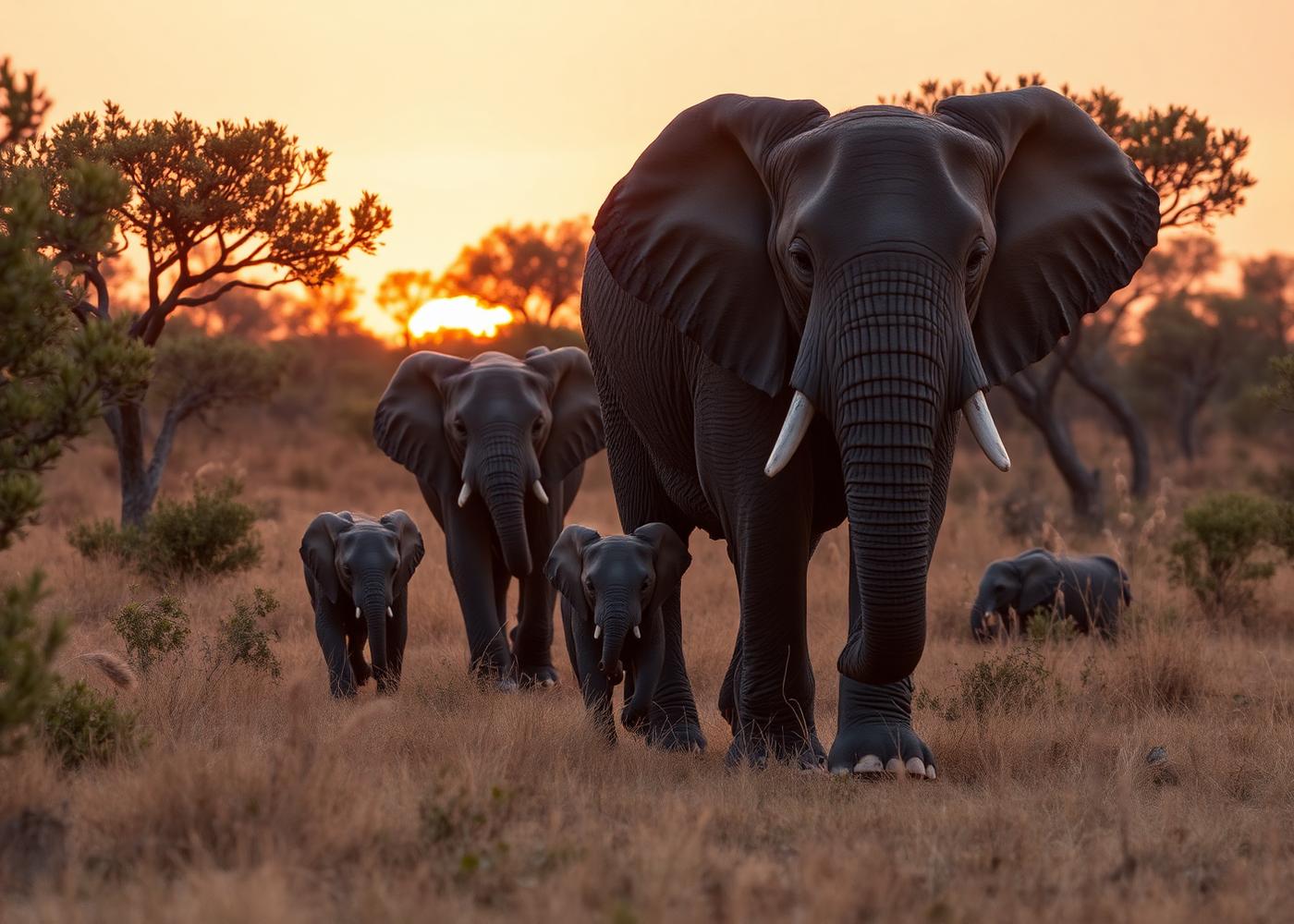
Larger fauna use Kulal as dry-season refuge. Greater kudu, klipspringer, baboon troops, leopard, and a long list of smaller mammals concentrate around the mountain when the plains fail. In severe drought years, that concentration is extreme, and it is precisely then that human and livestock pressure on the same water sources peaks.
Managing that convergence is one of the harder ongoing negotiations in our work. Protecting a spring absolutely means excluding livestock. Excluding livestock in a drought means asking a herder to accept losses. Sustainable answers here look like buffered access points, rotational timing and compensation mechanisms, not fences and prohibition.
Monitoring without a budget
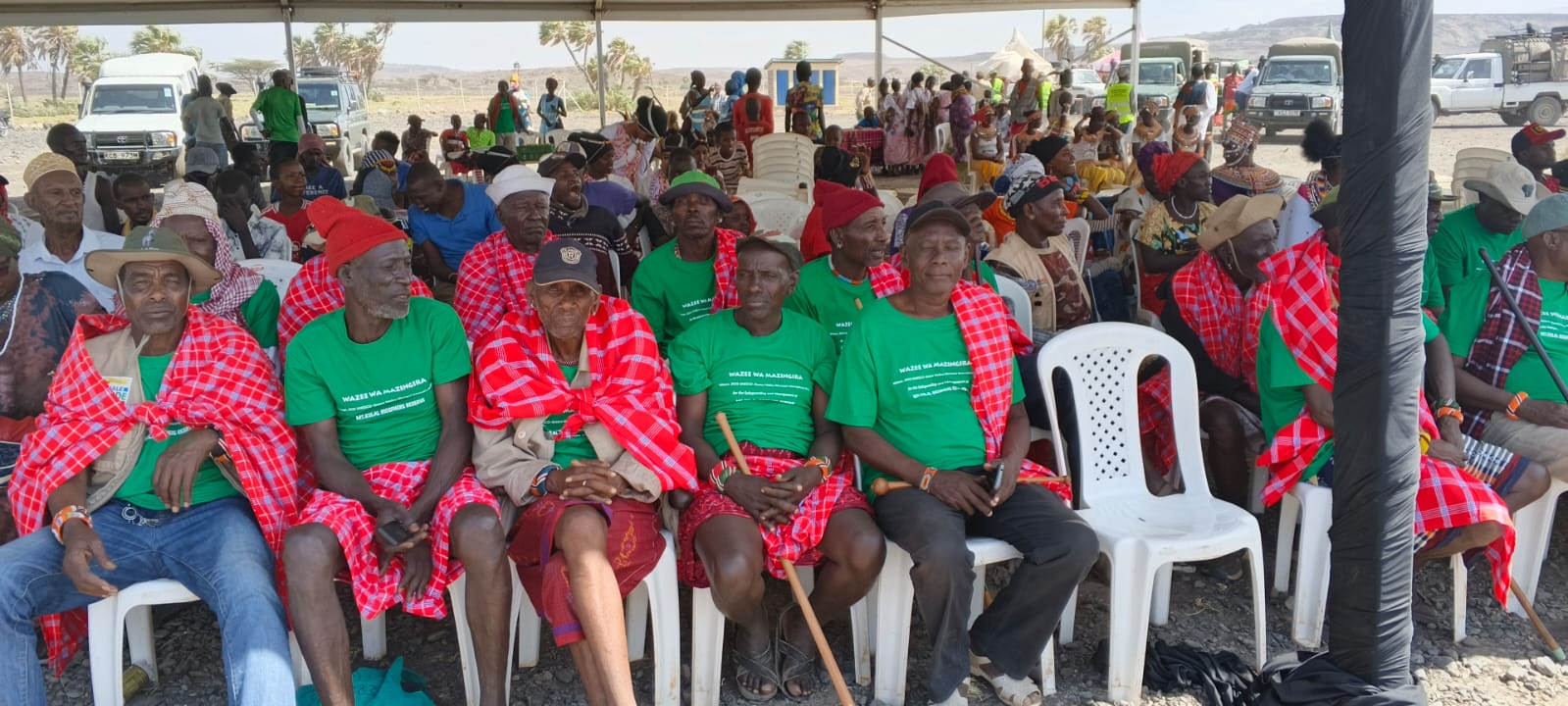
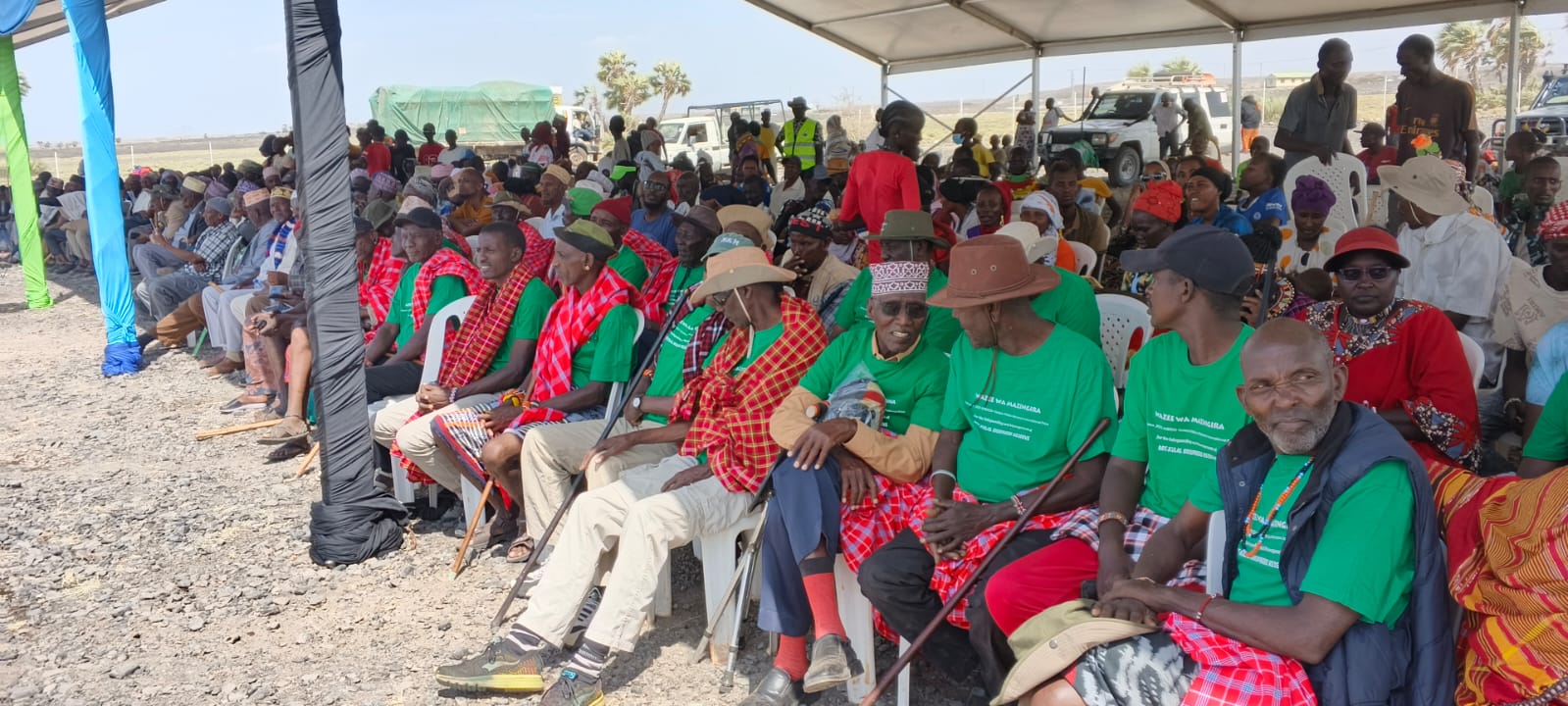
Formal ecological survey is expensive. Our approach has been to build a monitoring system out of the people already walking the mountain. Scouts record sightings, water levels, fire scars, cutting incidents and phenology, when species flower, fruit and seed, on a standard form. Over years, that dataset becomes genuinely valuable, and it is owned by the community that produced it.
A dataset gathered by outsiders leaves when the project ends. A dataset gathered by residents stays.
Climate is changing the baseline
The mist belt is the vulnerable variable. Cloud forests worldwide are sensitive to changes in the altitude at which condensation occurs; a warming atmosphere lifts that band upward. On a mountain of finite height, the moisture band can eventually rise above the summit, and the forest that depends on it has nowhere to go.
We do not have the instrumentation to measure that shift precisely on Kulal, and we would welcome research partners who do. What our scouts report anecdotally is consistent with the global pattern: mist arriving later, sitting higher, and clearing faster than elders remember.
Why it matters beyond the mountain
An endemic bird is a compelling reason to protect a forest, but it is rarely a sufficient one for a household deciding whether to cut a tree. The stronger argument is the one this mountain makes for itself: the same canopy structure that shelters endemic species is the structure that harvests water for people. Biodiversity here is not in competition with human need. It is the mechanism that serves it.