In every dryland community, young people face the same question: leave, or find a future here. On Mount Kulal, a growing number are choosing the mountain.
The statistics on rural youth migration in northern Kenya are not subtle. Where there is no visible economic future, young people leave for Marsabit town, for Nairobi, or for whatever work can be found. What follows is predictable: households lose labour, elders lose successors, and landscapes lose the daily human attention that keeps agreements enforced.
Making the second option real
Our youth conservation programme is built on a straightforward premise. If staying is going to compete with leaving, staying has to offer training, income and status. Not one of the three, all three.
The programme runs across several tracks:
Forest scouting. Trainees learn boundary patrol, incident recording, GPS mapping and basic ecological monitoring. They produce the data that makes our reporting credible to partners, and they are the first responders when fire or illegal cutting is spotted.
Nursery management. Seed collection from identified mother trees, germination protocols for slow indigenous species, potting, hardening off, and transplant timing. This is technical work with a long feedback loop; it teaches patience.
Beekeeping and forest enterprise. Honey from the mist belt is exceptional and commands a premium. It is also the clearest demonstration available that an intact forest pays better than a burned one.
Eco-guiding and interpretation. Visitors to a UNESCO Biosphere Reserve want more than a viewpoint. Guides trained in ecology, cultural history and hospitality convert the mountain's status into local income.
Digital and advocacy skills. Mapping, photography, reporting and climate advocacy, the tools that let this community speak for itself in rooms where decisions about it are made.
Pairing with elders
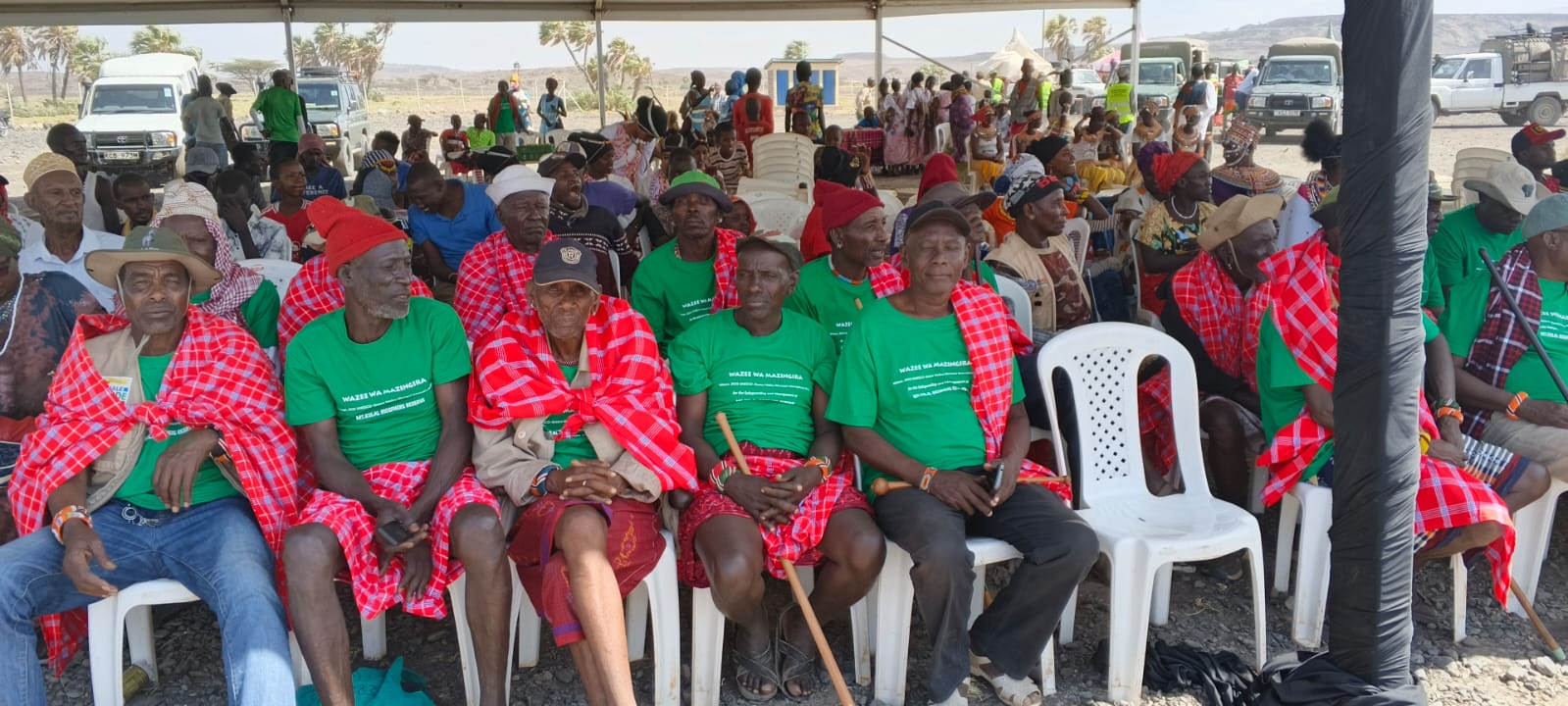
Every track includes time on the mountain with elders. This is non-negotiable and it is the part participants most often single out afterwards. A trainee can learn a germination protocol from a manual. They can only learn which specific slope holds moisture into September by walking it with someone who has watched it for sixty years.
"I came for the stipend. I stayed because I realised nobody outside this place actually knows this mountain."
Results, honestly stated
More than six hundred young people have passed through some part of the programme. Not all of them stayed in conservation; many used the training as a stepping stone, which we consider a legitimate outcome. What we can say is that the number of trained, equipped people walking the forest boundary each month is now higher than at any point in the movement's history, and that incident response times have fallen sharply.
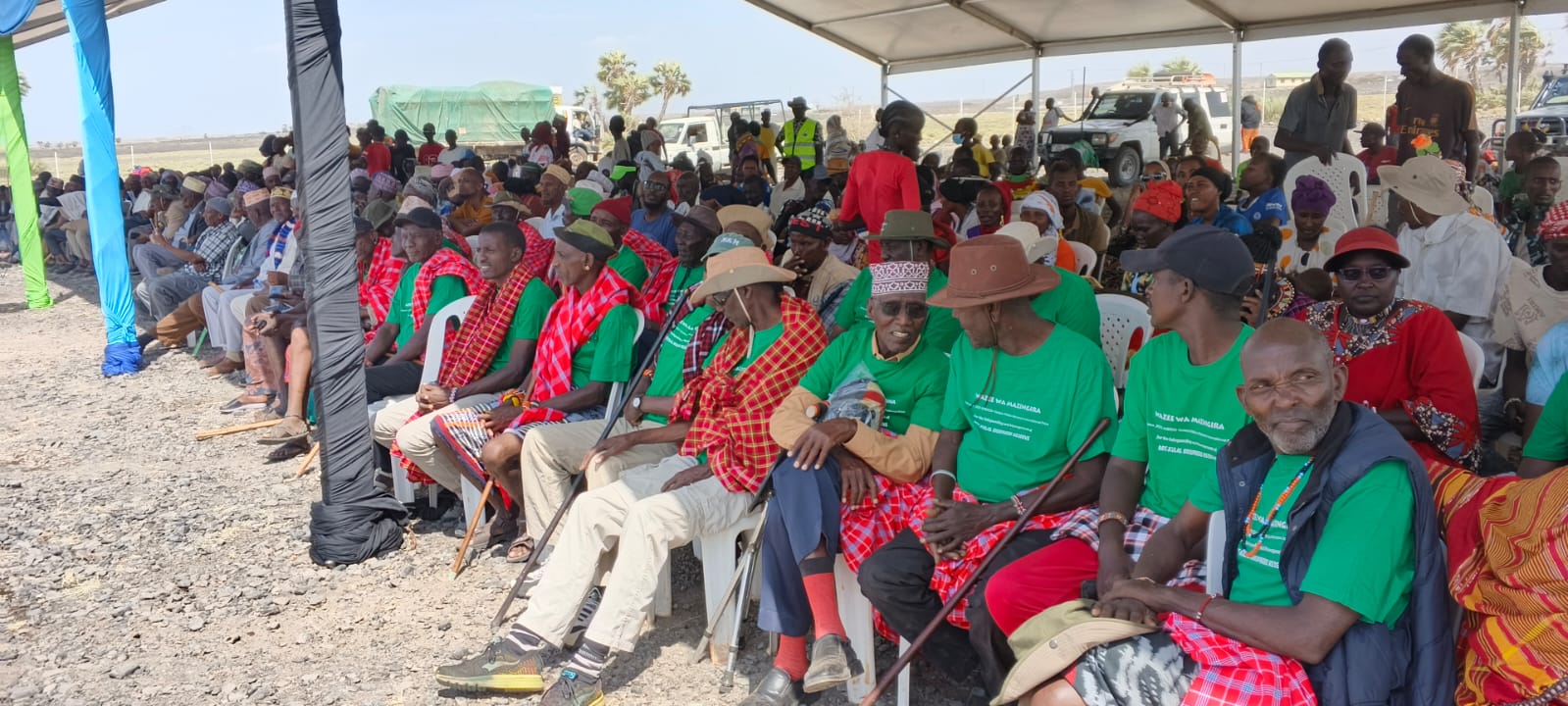
We can also say that the age profile of decision-making meetings has changed. Ten years ago, a village conservation meeting was overwhelmingly grey-haired. Today it is not.
What we still need
Equipment remains the constraint. Boots, rain gear, GPS units, first aid kits, radios and reliable stipends are the difference between a motivated volunteer and a functioning scout. A single fully equipped scout costs less than most organisations spend on a workshop, and produces data every week for years.
If there is one thing worth funding on this mountain, it is a young person who decided to stay.