On Mount Kulal, the cloud forest does not wait for rain, it harvests it from the air. Understanding that single fact explains almost everything about why this mountain must be protected.
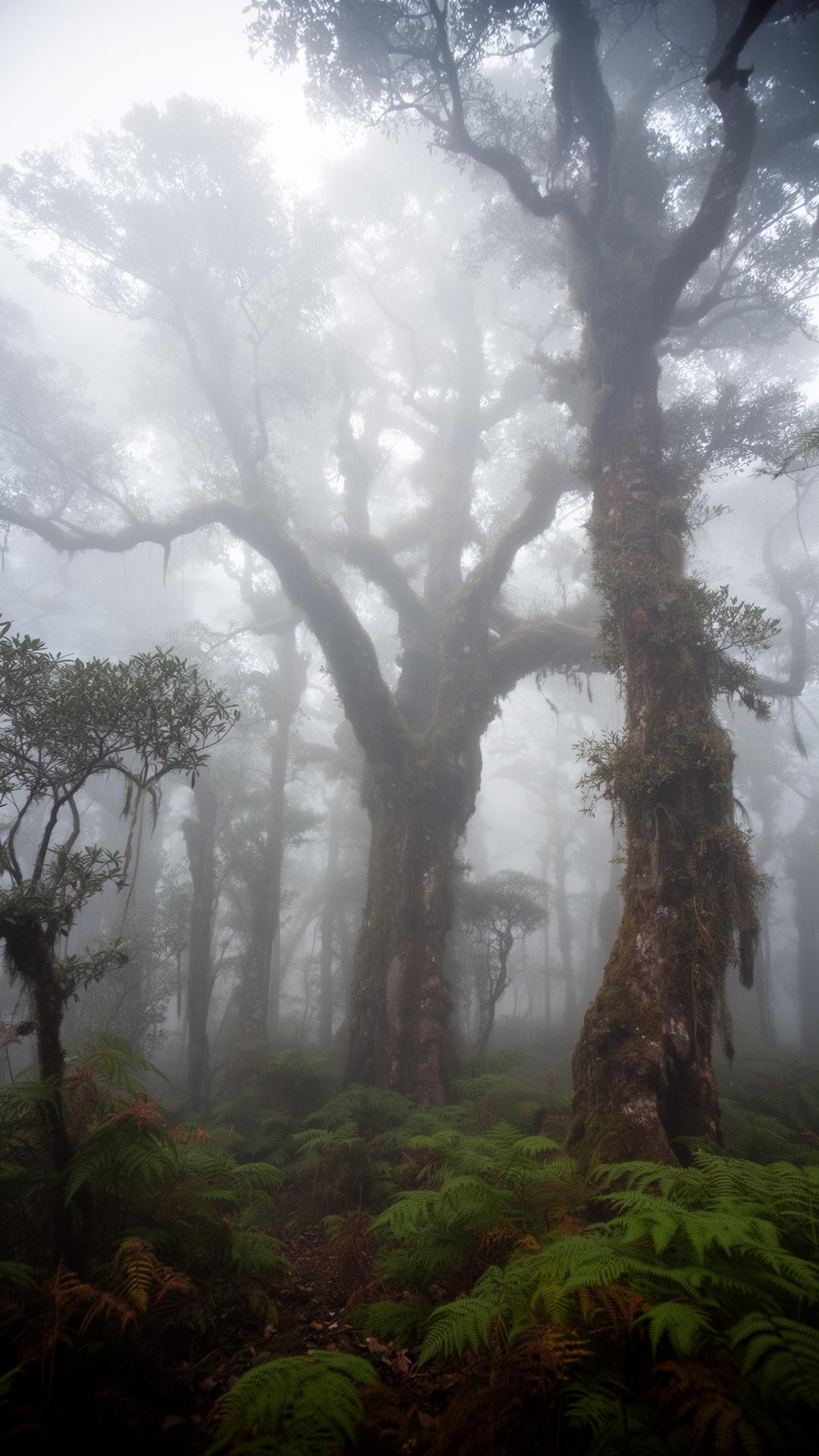
Stand on the eastern ridge of Mount Kulal at five in the morning and you will hear water where there should be none. Below you, the Chalbi desert stretches out grey and silent. Above you, in the dark, the forest is dripping.
Water out of air
The mechanism is called occult precipitation, and it is one of the quieter miracles of tropical highland ecology. Moist air pushed inland from Lake Turkana rises against the flank of the mountain, cools, and condenses into a near-permanent band of mist. That mist does not fall as rain. Instead it drifts through the canopy, where millions of leaf surfaces, lichens and mosses comb the droplets out of the air. The droplets merge, run down branches and trunks, and reach the soil.
A mature cloud forest can deliver more water to the ground this way than the rain gauge ever records. On Kulal, elders describe entire dry seasons where the sky gave nothing and the springs still ran. The forest was doing the work.
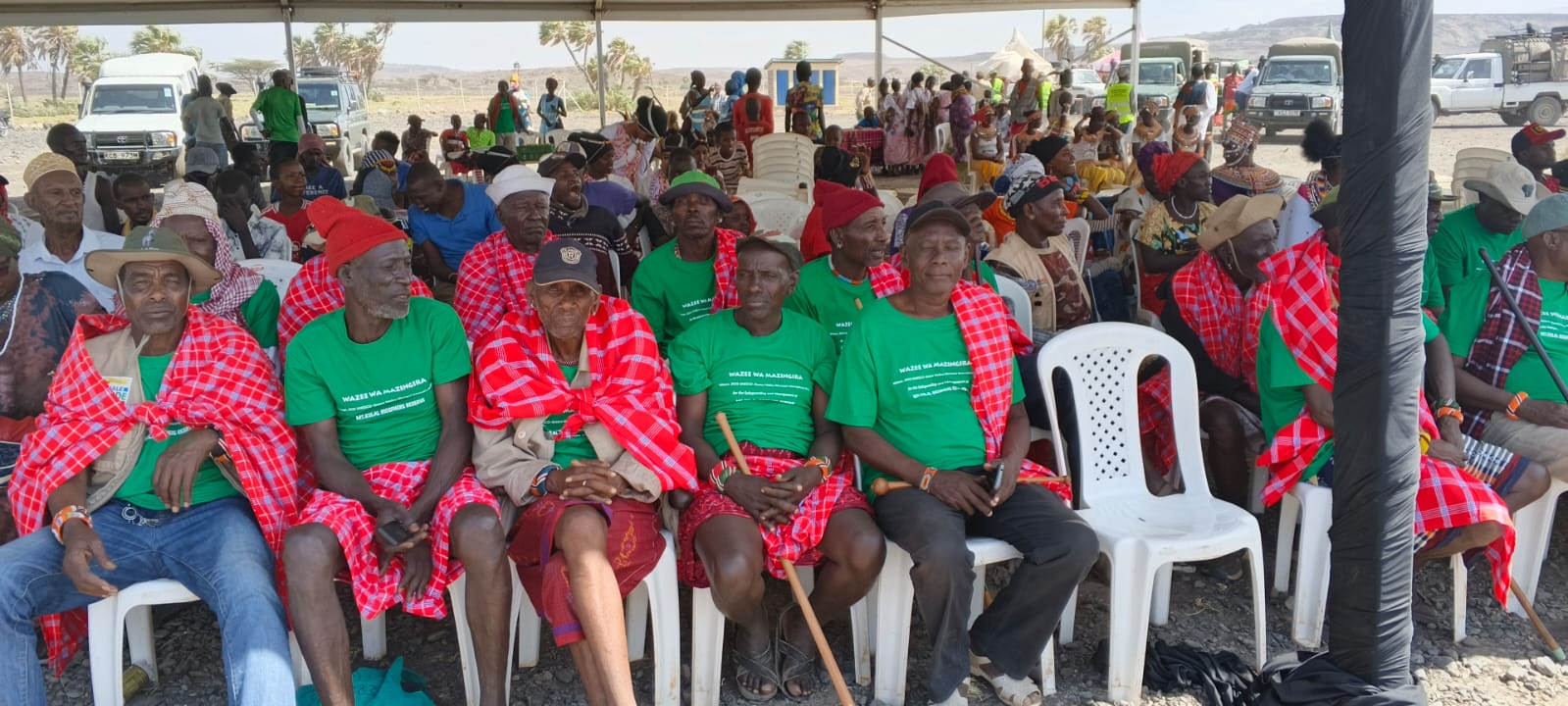
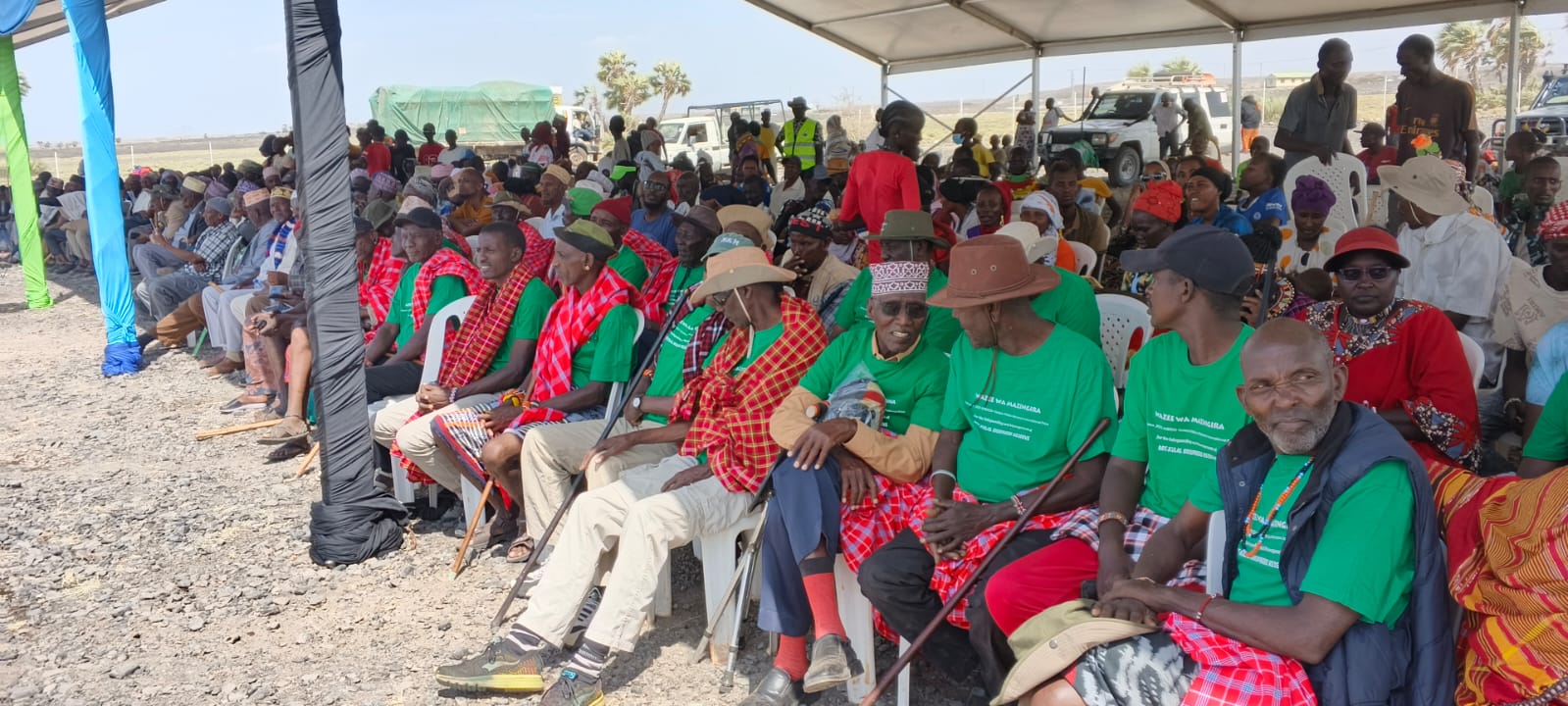
"The rain comes from the trees. When you cut the trees, you are not clearing land, you are closing a tap." — a Samburu elder, Gatab
Why the canopy is not decoration
This is the part that outside planners have historically found hardest to accept. A forest that captures mist only works if it retains its structure. The tall emergent trees intercept the highest moisture. The middle canopy holds humidity long enough for condensation to continue after the mist has passed. The understorey and leaf litter slow the water so it soaks into volcanic soil rather than sheeting off the slope.
Remove any one layer and the system degrades disproportionately. Selective logging of the largest trees, historically the most commercially attractive activity, removes precisely the layer doing the most atmospheric work. A forest can look intact from a distance while its water function has already collapsed.
What the springs mean downslope
Twelve major springs emerge from the base of the Kulal massif. They supply drinking water to settlements, watering points for cattle, camels, goats and sheep, and dry-season refuge for wildlife pushed off the plains. In a drought year, the difference between a functioning spring and a dry one is the difference between a household staying on its land and joining the slow migration toward town.
This is why we describe forest protection here as drought infrastructure rather than environmentalism. The vocabulary matters. When conservation is framed as an aesthetic preference, it competes with survival. When it is framed as water security, it becomes survival.
The work, in practice
Protecting the water function of Kulal comes down to unglamorous, repeated tasks:
- Walking the forest boundary and recording new cutting, encroachment and fire scars.
- Raising indigenous seedlings, Juniperus procera, Olea europaea subsp. cuspidata, Podocarpus falcatus, in community nurseries rather than importing fast-growing exotics that drink more than they give.
- Negotiating grazing calendars so that highland pastures rest during regeneration windows.
- Protecting spring eyes with fencing and vegetated buffers so livestock cannot trample the source.
- Training young people to do all of the above, so that the knowledge outlives the people who hold it.
None of this photographs like a rescue. All of it is why the springs still run.
A measurable promise
Since our community nurseries began operating at scale, more than forty thousand indigenous seedlings have gone into the ground across the reserve's degraded margins. Survival rates in the mist belt exceed seventy percent — remarkably high for dryland restoration — precisely because the forest they are joining still makes its own weather.
Every seedling that survives to canopy height adds a fraction of a litre per hour to the mountain's harvest. Multiply that across decades and you begin to understand what the elders were protecting when they started walking these ridges in 1971.