Pastoralist grazing systems are often described as a threat to rangelands. On Mount Kulal, a well-run grazing calendar is one of the most effective conservation tools we have.
The default outside assumption about pastoralism in the drylands is that it degrades land. Too many animals, too little grass, an inevitable tragedy of the commons. It is a durable idea, and on Mount Kulal it is mostly wrong.
Mobility is the management
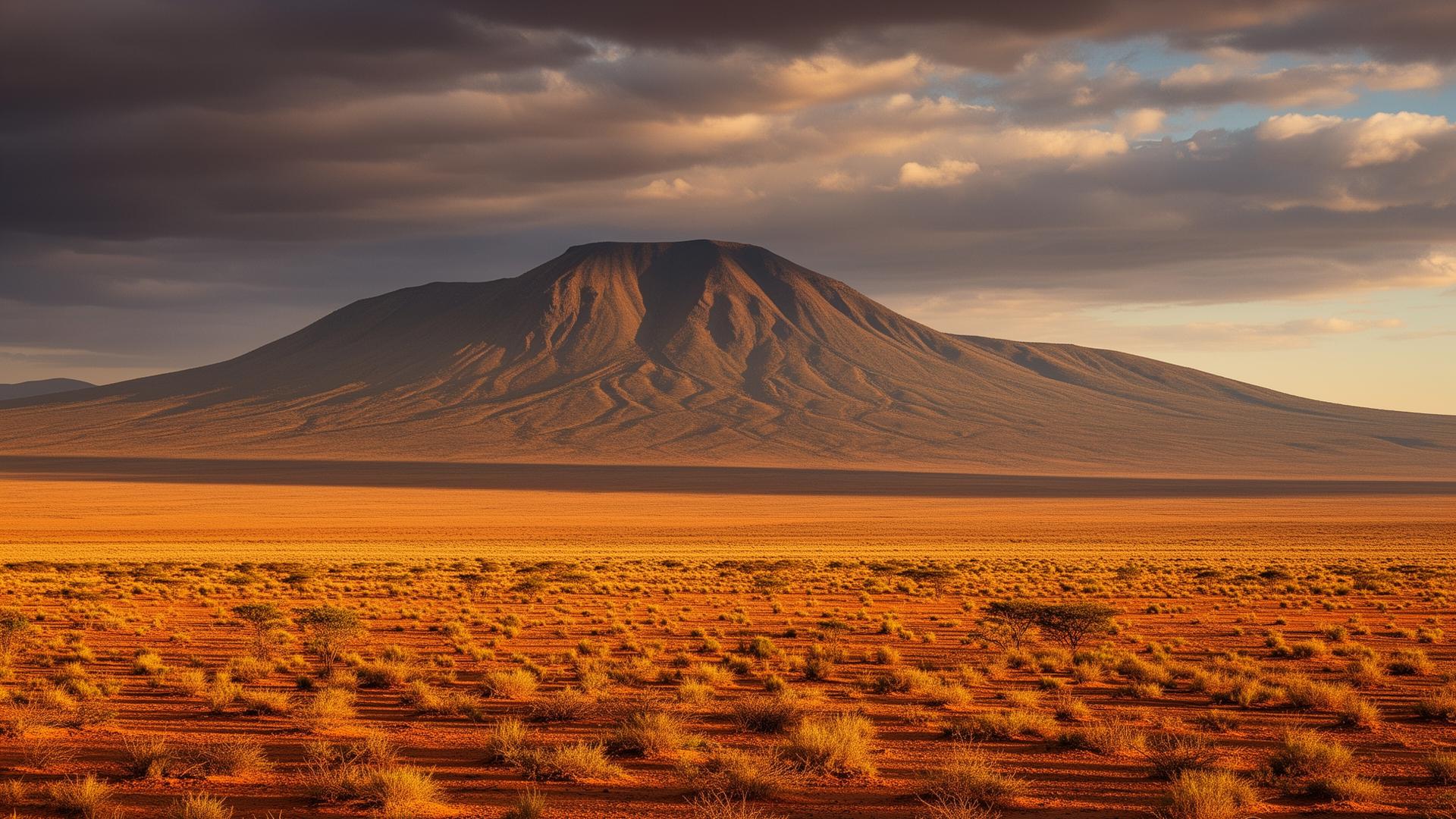
Dryland vegetation is adapted to being grazed hard and then left alone. What damages it is not intensity but continuity, the same pasture grazed every month of every year without recovery. Traditional pastoralist systems avoid exactly that through mobility: herds move on a seasonal circuit, and specific pastures are held in reserve.
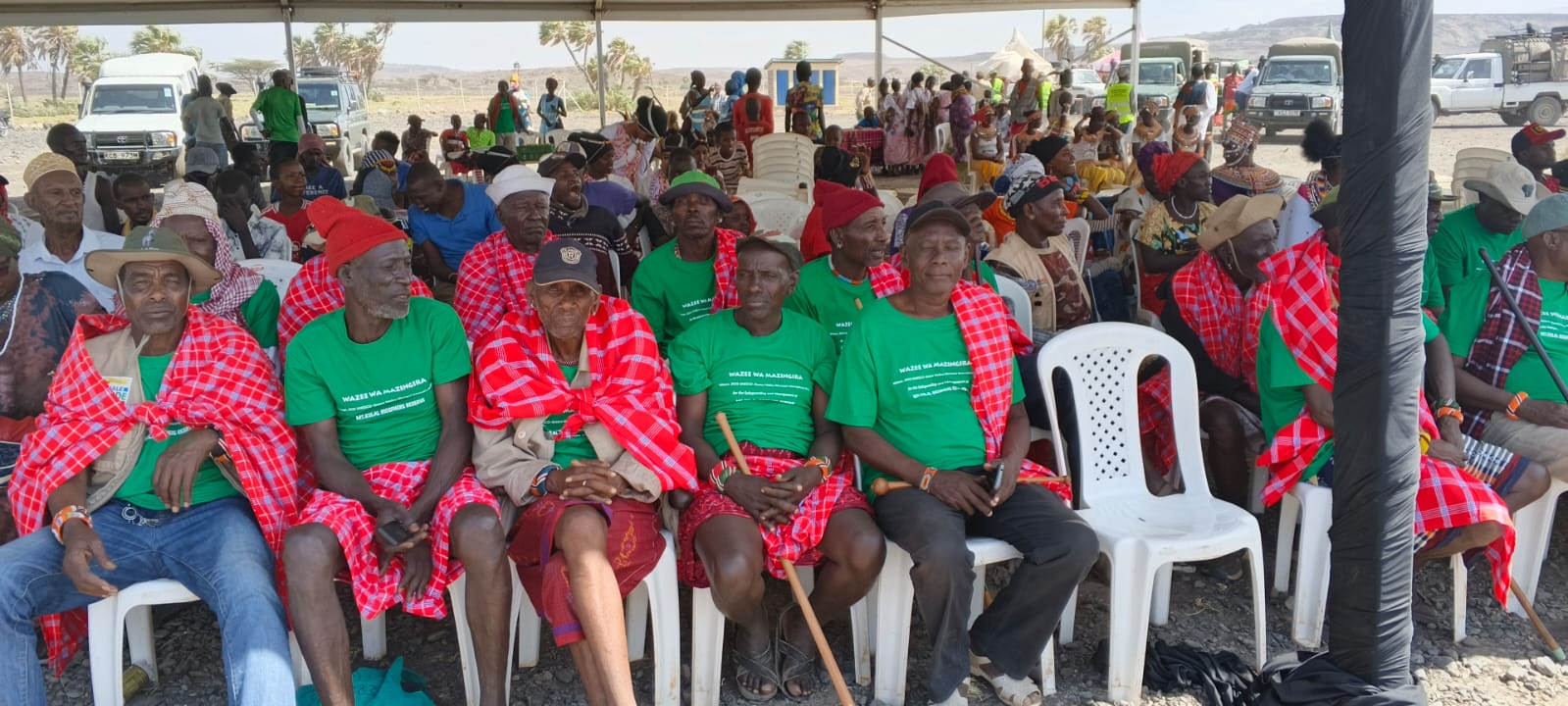
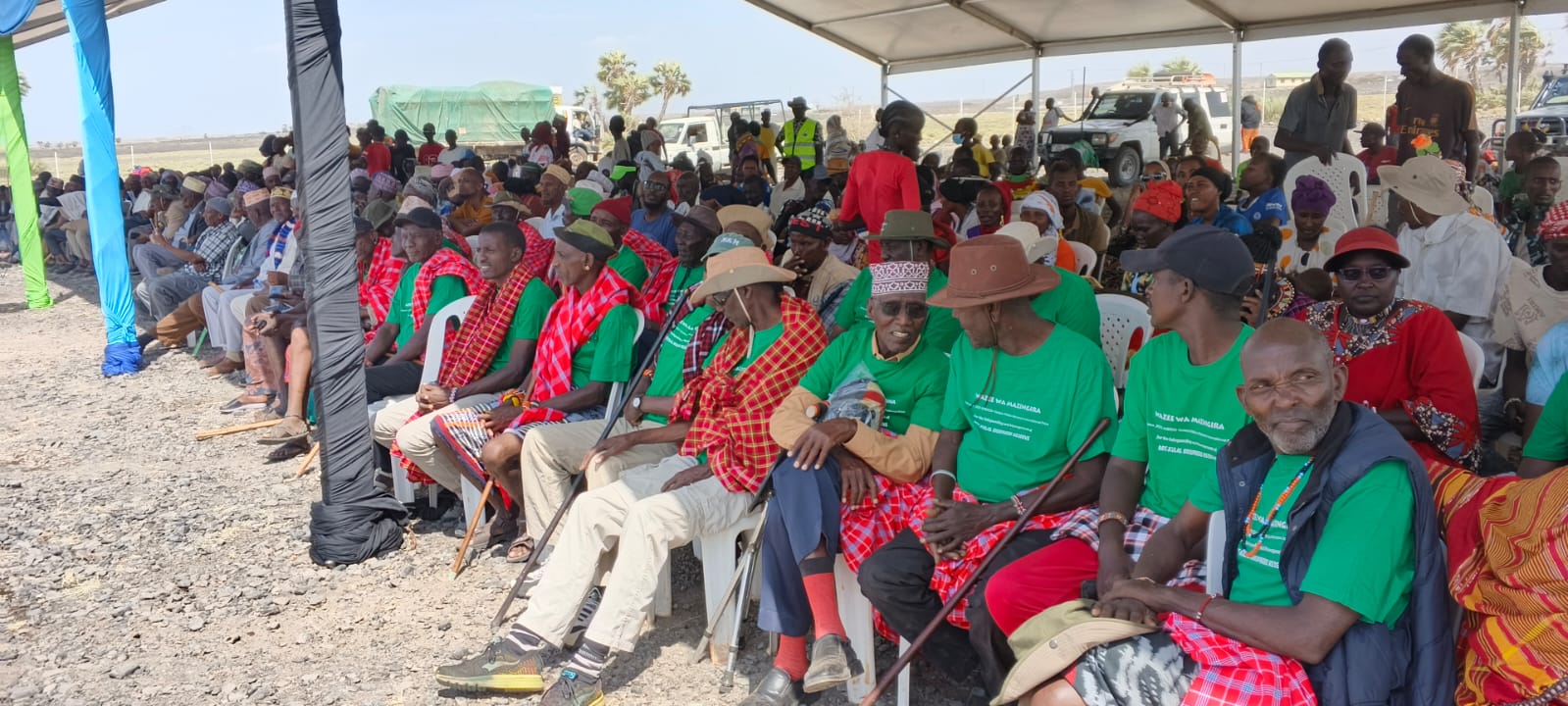
On Kulal, highland pasture is traditionally treated as dry-season reserve. It is deliberately not grazed during the rains, when lowland grass is available, so that it carries forage into the hardest months. The rule is ecological and social at once, and it is enforced by elders rather than by fence.
What has been breaking the system
Three pressures have strained the calendar:
Settlement. Permanent settlement near water points converts mobile grazing into continuous grazing in a radius around each village. The vegetation nearest the water takes the damage.
Loss of grazing corridors. Where movement between seasonal pastures is blocked by land tenure change, conflict, or infrastructure, herds are forced to stay put.
Compressed drought cycles. When drought returns before the pasture has recovered from the previous one, the reserve is consumed early and there is nothing behind it.
Working with the calendar, not against it
Our rangelands work does not attempt to reduce herd numbers by decree; that approach has failed everywhere it has been tried without alternatives. Instead it strengthens the institution that already exists:
- Publicly agreed opening and closing dates for highland pasture each season, announced through the same channels that always carried them.
- Protected spring buffers so that water access does not destroy the vegetation around the source.
- Reseeding and gully control on the most degraded lowland patches, so that pressure on the highland reserve is reduced.
- Fodder banks and hay storage as a genuinely new element, a hedge against the compressed drought cycle that traditional practice never had to plan for.
Drought response as conservation
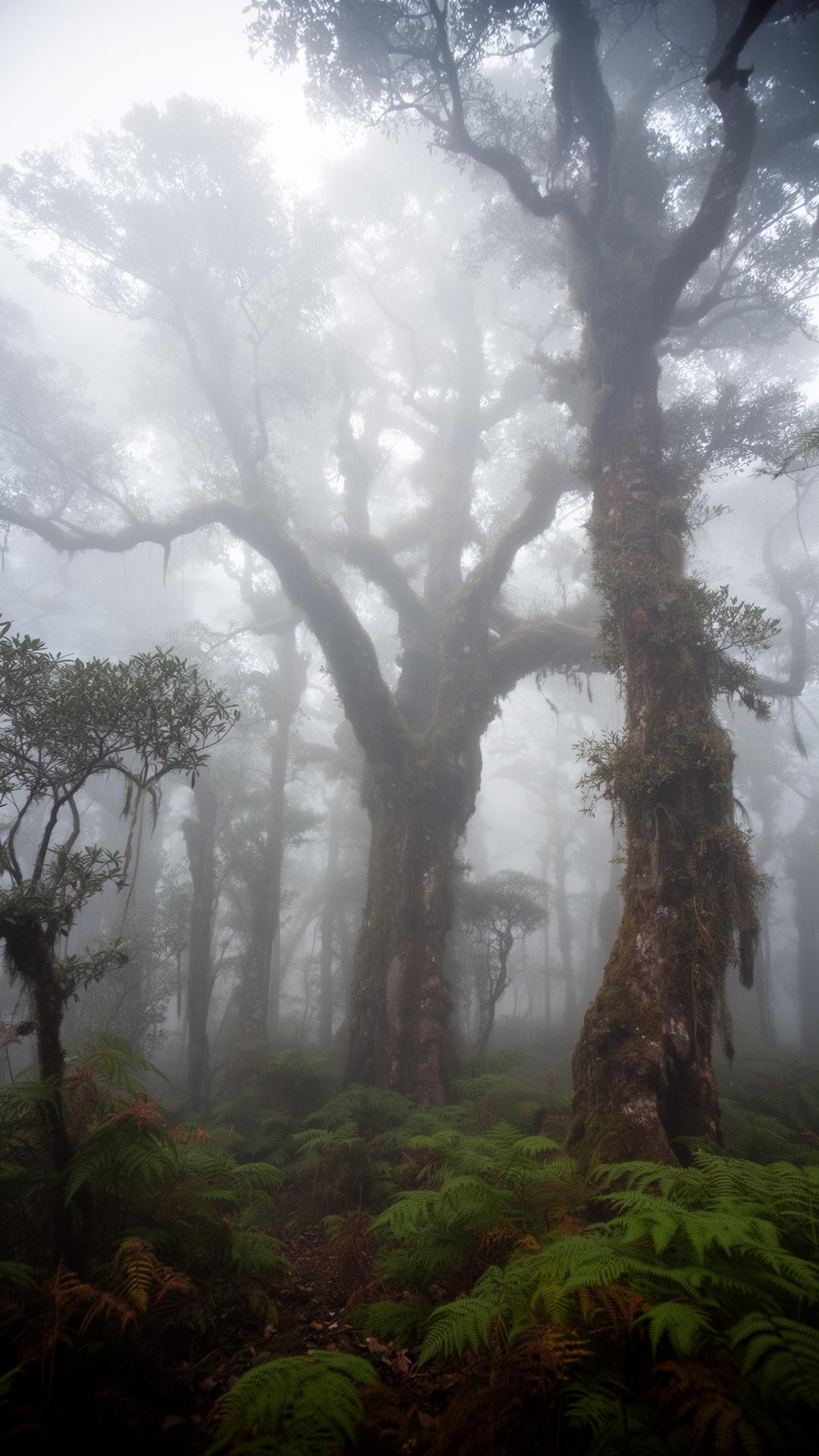
The most damaging thing that happens to Kulal's forest is a desperate drought. When lowland forage fails completely, herds move upslope into the mist belt, browse regenerating seedlings, and trample soil in the exact zone where restoration is most fragile. Years of nursery work can be undone in weeks.
That is why we treat drought preparedness, fodder reserves, early warning, water point management, destocking support, as forest conservation. The forest survives droughts in proportion to how well the communities beneath it survive them.
Every drought that a household weathers on the plains is a drought the forest does not have to absorb.
The honest position
We are not going to out-argue the climate. What we can do is widen the margin: more reserve pasture, more stored fodder, better water distribution, earlier warning, and a functioning social agreement about where animals go when things get bad. That margin is the difference between a hard year and an irreversible one.